

Double Your Roof’s Lifespan: The Strategic Guide to Metal Maintenance
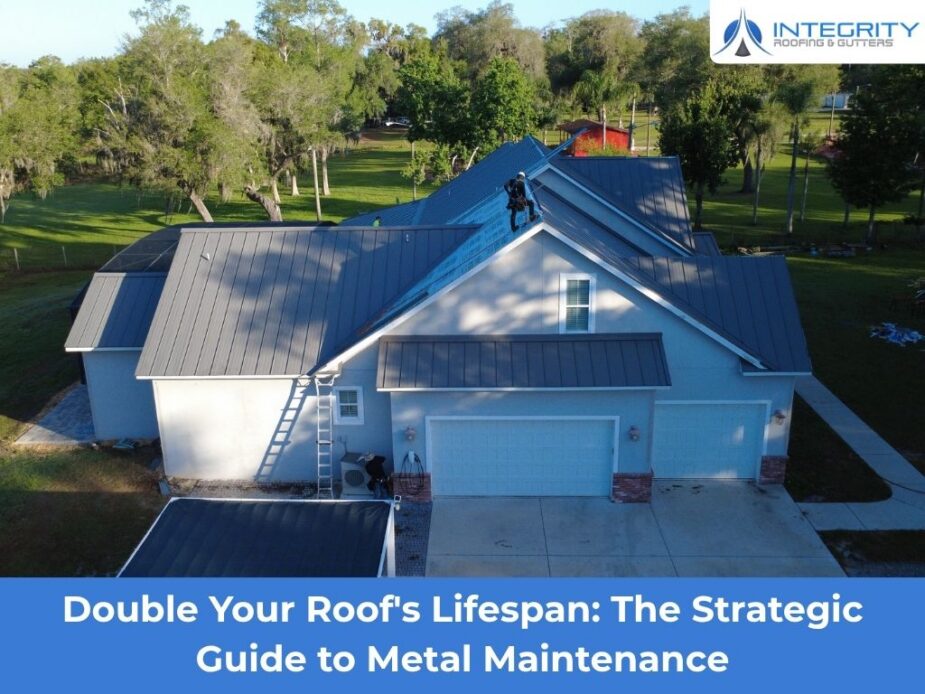
Why Let a Metal Roof Wear Out Early When the Right Coating Can Restore, Protect, and Extend Its Life for Years?
Small warning signs like surface rust, loose seams, leaks, fading finish, and rising cooling costs can quietly turn into major repair bills. Do not wait for visible damage to spread because the right industrial metal roof coatings can help stop corrosion, reflect heat, and extend the life of the roof you already have.
How can you know which restoration approach will actually protect your building for the long haul? That is where Integrity Roofing supports. Integrity Roofing works with strategic coating systems designed to seal vulnerable areas, improve performance, and support longer roof life, so you can address problems early and make a smarter restoration decision.
Here’s a quick breakdown of what you need to know:
| Question | Quick Answer |
|---|---|
| What are they? | Liquid coatings applied to metal roofs for protection and restoration |
| Main types | Silicone, acrylic, elastomeric, PVDF (Kynar 500), SMP, aluminum-based |
| Key benefits | Corrosion protection, UV resistance, energy savings, leak prevention |
| Who needs them? | Any owner of an aging, rusty, or weather-exposed metal roof |
| Lifespan | 10–25+ years depending on coating type and climate |
| Energy savings | Can reduce heating and cooling costs by up to 40% |
Metal roofs are built to last — we’re talking 40 to 70 years with proper care. But without the right coating, UV exposure, moisture, and Florida’s relentless heat can cut that lifespan short. Rust spreads. Seams open up. Energy bills climb.
The good news? A quality coating can restore a damaged metal roof without a full replacement — saving you significant money while adding years of reliable protection.
I’m James Thomson, President of Integrity Roofing & Gutters, with over many years of hands-on experience in commercial and residential roofing across Florida’s toughest markets, including extensive work with industrial metal roof coatings on everything from warehouses to large commercial facilities. In this guide, I’ll walk you through everything you need to choose, apply, and maintain the right coating for your roof.
Understanding the Types and Benefits of Industrial Metal Roof Coatings
Selecting the right coating is like picking the right armor for a battle. In Florida, that battle involves salt spray in Jacksonville, torrential rains in Orlando, and hurricane-force winds across the entire peninsula. Not all industrial metal roof coatings are created equal, and the chemistry behind them determines how well they’ll stand up to our unique environment.
The Main Players in Metal Protection
- Silicone Coatings: These are the heavy hitters for flat or low-slope metal roofs. Silicone is naturally moisture-cure and inorganic, meaning it doesn’t break down under UV rays like organic materials do. It’s particularly famous for resisting ponding water—a common issue on older industrial roofs where the metal panels may have slightly sagged.
- Acrylic Coatings: A cost-effective, water-based solution. Acrylics are easy to apply and offer great UV protection. However, they are best suited for roofs with good “positive drainage” because they don’t handle standing water as well as silicone.
- Elastomeric Coatings: These are prized for their “stretch.” Metal roofs expand and contract significantly as they heat up in the Florida sun. Elastomeric coatings can stretch and return to their original shape without cracking, keeping the seal tight over seams and fasteners.
- Aluminum-Based Coatings: Often fibered for extra strength, these coatings (like the Rust-Oleum 510) provide excellent rust inhibition and reflectivity. They are a classic choice for agricultural and older industrial buildings.
- PVDF (Kynar 500) & SMP: These are typically factory-applied “paints” or high-end field-applied restoration coatings. PVDF is the gold standard for color retention, while SMP (Silicone-Modified Polyester) offers a harder, more scratch-resistant finish at a lower price point.
Coating Performance Comparison
| Feature | Silicone | Acrylic | PVDF (Kynar 500) | Aluminum Fibered |
|---|---|---|---|---|
| Durability | High | Moderate | Extreme | Moderate |
| UV Resistance | Excellent | Very Good | Superior | Good |
| Ponding Water | Best | Poor | N/A (Coil) | Moderate |
| Typical Lifespan | 20+ Years | 10-15 Years | 30+ Years | 7-10 Years |
| Reflectivity | High | High | Variable | Moderate (53%) |
Performance Comparison of Pvdf, Smp, and Silicone Industrial Metal Roof Coatings
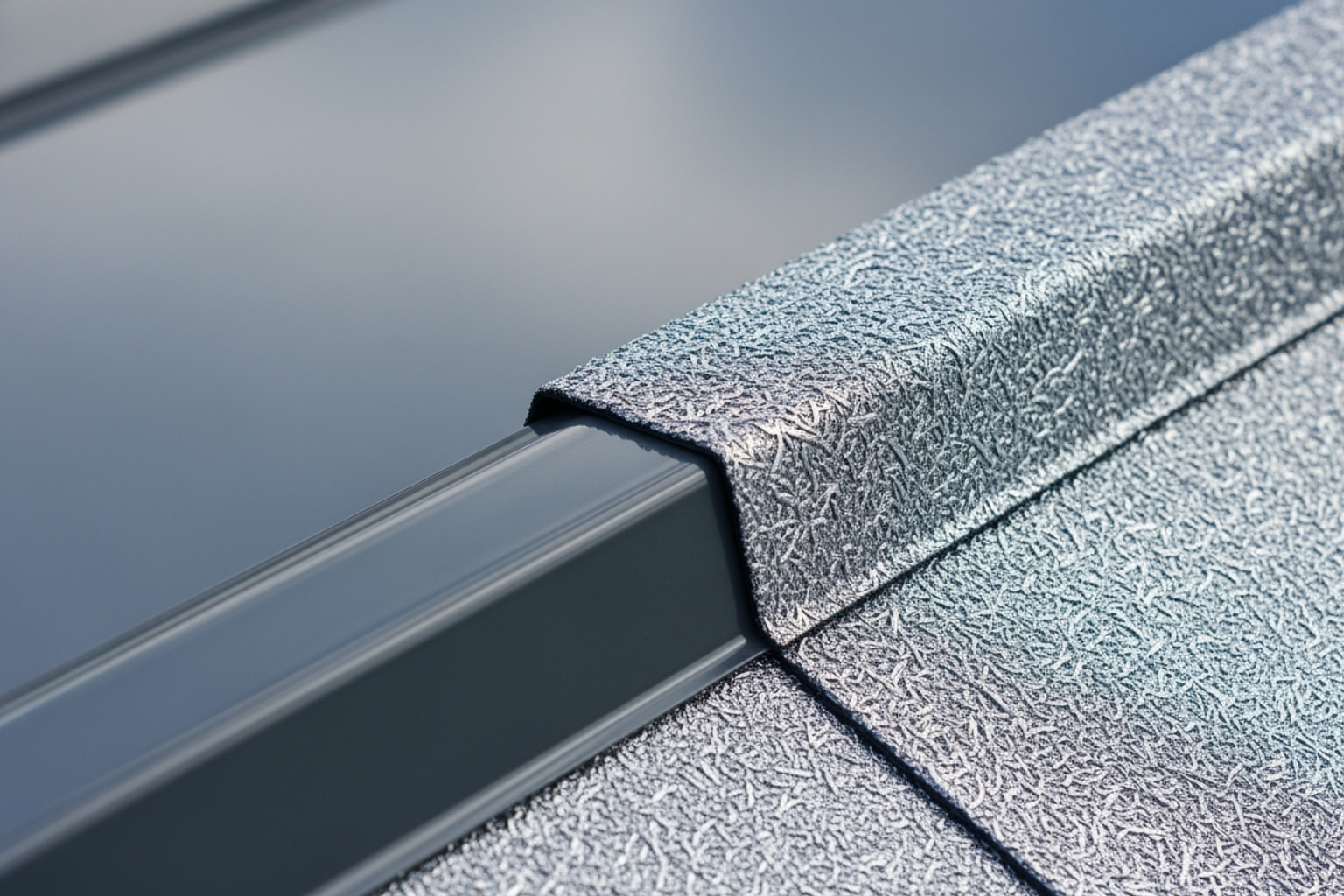
When we look at the long-term beauty and integrity of a roof, the battle usually comes down to SMP vs. PVDF coatings. PVDF, often branded as Kynar 500, is a fluoropolymer resin that is incredibly stable. It doesn’t just sit on the metal; it protects it from “chalking”—that white powdery residue you see on old metal surfaces—and fading.
In contrast, Silicone-Modified Polyester (SMP) is a tougher, harder coating. While it resists physical damage well, it will experience fade and chalking sooner than PVDF. For an industrial facility where aesthetics matter less than waterproofing, a high-solids silicone coating is often the winner because it creates a seamless monolithic membrane that stops leaks in their tracks.
Energy Efficiency and Cool Roof Reflectivity
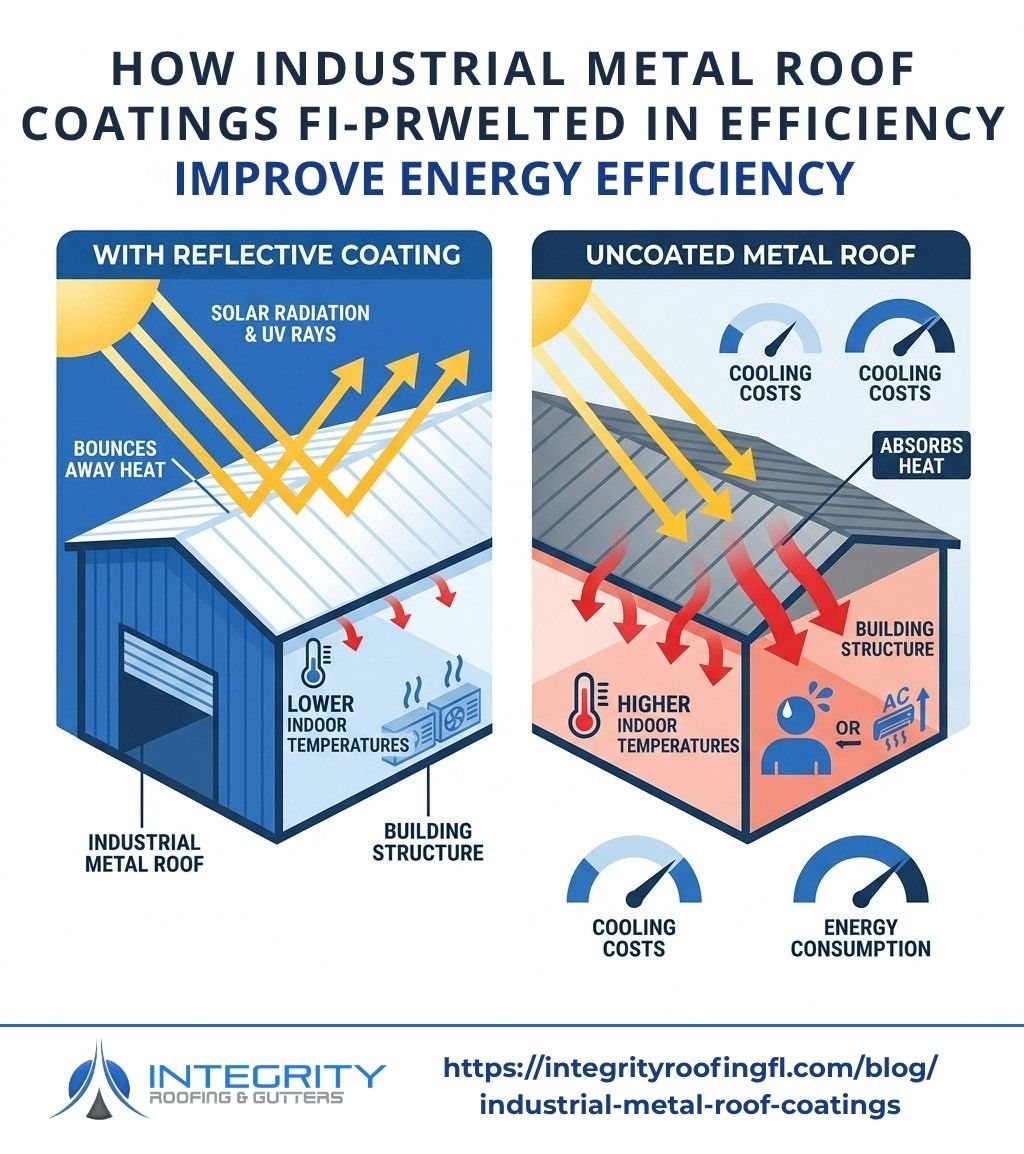
Florida business owners know that the AC never truly sleeps. This is where industrial metal roof coatings pay for themselves. By using “cool roof” technology, these coatings reflect a massive amount of solar energy away from the building.
According to ASTM roofing standards, performance is measured by Solar Reflectance and Thermal Emittance. A high Solar Reflectance Index (SRI) means the roof stays cool. For example, some premium coatings like R-Mer Coat boast an initial SRI of 119. This translates to real-world savings; Sherwin-Williams reports that coated metal roofs can help regulate temperatures enough to decrease cooling bills by up to 40%.
Application Process and Maintenance for Long-Term Resilience
You can buy the most expensive coating in the world, but if the guy applying it skips the prep work, you’re just throwing money at the wind. Proper application is a multi-step journey that requires precision.
Step-By-Step Application of Industrial Metal Roof Coatings
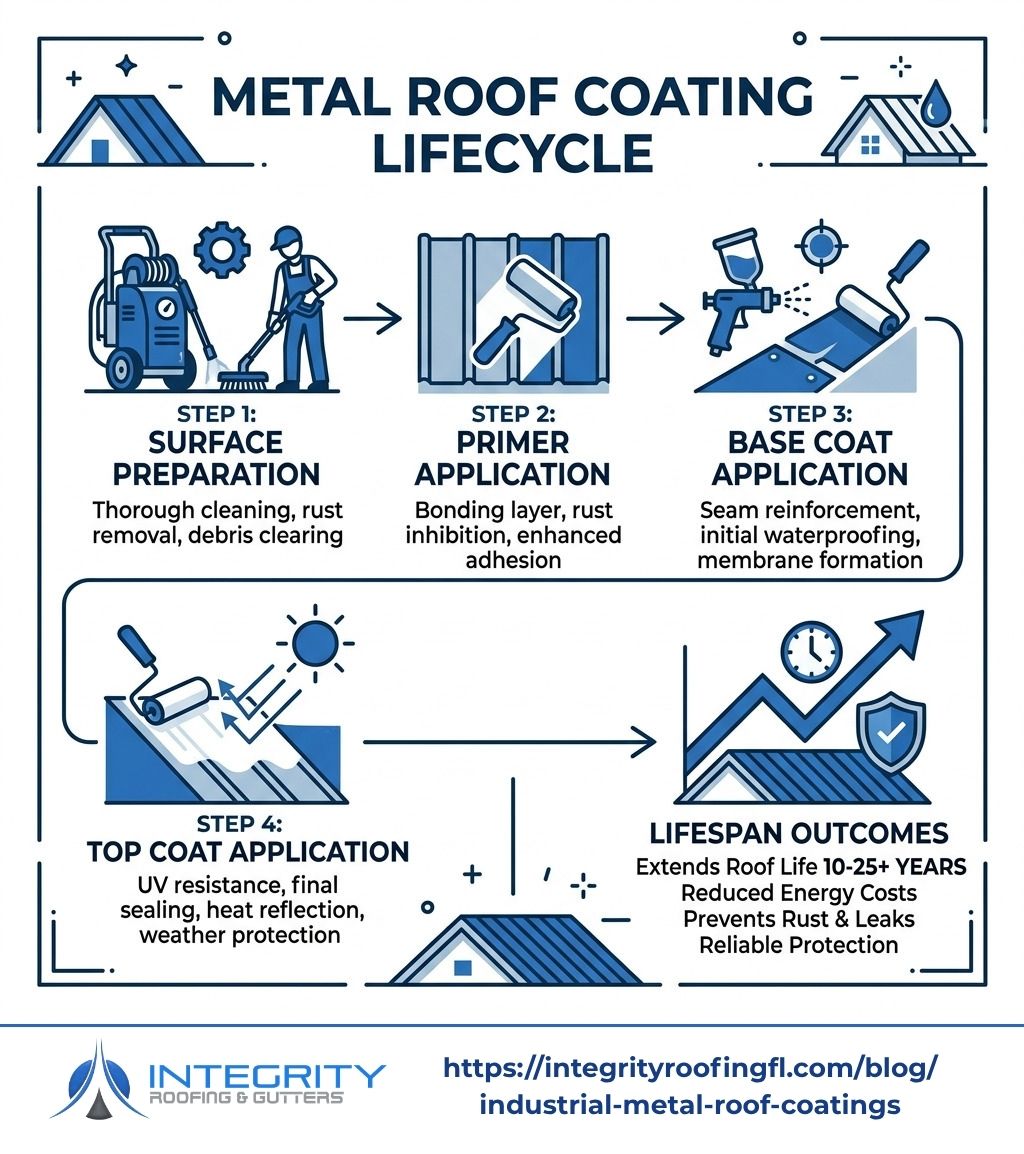
- Inspection and Qualification: We start by ensuring the metal deck is structurally sound. If the metal is paper-thin from rust, a coating won’t save it. We also perform adhesion tests to ensure the new coating will actually stick to the old surface.
- Surface Preparation: This is 90% of the job. We use high-pressure power washing (at least 2,000 psi) to remove dirt, grease, and loose scale. For rusty areas, wire brushing or specialized rust-inhibitive primers are required.
- Seam and Fastener Treatment: Most leaks happen at the joints. We tighten or replace loose fasteners and then “three-course” the seams. This involves a layer of mastic, a layer of reinforcing fabric, and another layer of mastic.
- Priming: Depending on the substrate (galvanized vs. Galvalume), a specific primer may be needed to prevent “flash rust” and ensure a chemical bond.
- The Top Coat: Finally, the industrial metal roof coatings are applied via airless spray, roller, or brush. We carefully monitor the “wet mil” thickness to ensure that once it dries, it meets the manufacturer’s “dry film” specifications for the warranty.
All of our installations must adhere to the Florida Building Code Chapter 15, which outlines strict requirements for roof assemblies to ensure they can withstand our local weather extremes.
Selecting Coatings for Florida’s Extreme Climates
Living in the Sunshine State means our roofs face unique threats. If your facility is in a coastal area like Daytona Beach or Fort Pierce, salt spray corrosion is your number one enemy. In these cases, we recommend coatings with high salt-spray resistance ratings (often tested to 800+ hours).
For our clients in “Hail Alley” or hurricane-prone zones, resilience is key. Metal roofs are already tough, but a thick elastomeric or silicone coating adds a “shock absorber” layer. This is vital because Texas and Florida see millions in hail damage annually. A coated roof is much more likely to meet FORTIFIED Commercial standards, which are designed to keep the roof intact during tornadoes and hurricanes.
Common Mistakes and Post-Application Maintenance
Even the best industrial metal roof coatings need a little love. Here are the pitfalls we see most often:
- Ignoring Ponding Water: If your roof has “low spots,” using an acrylic coating is a mistake. It will re-emulsify and peel. Silicone is the only way to go for ponding areas.
- Skipping the Primer: Applying a topcoat directly to “white rust” on galvanized panels will lead to delamination within a year.
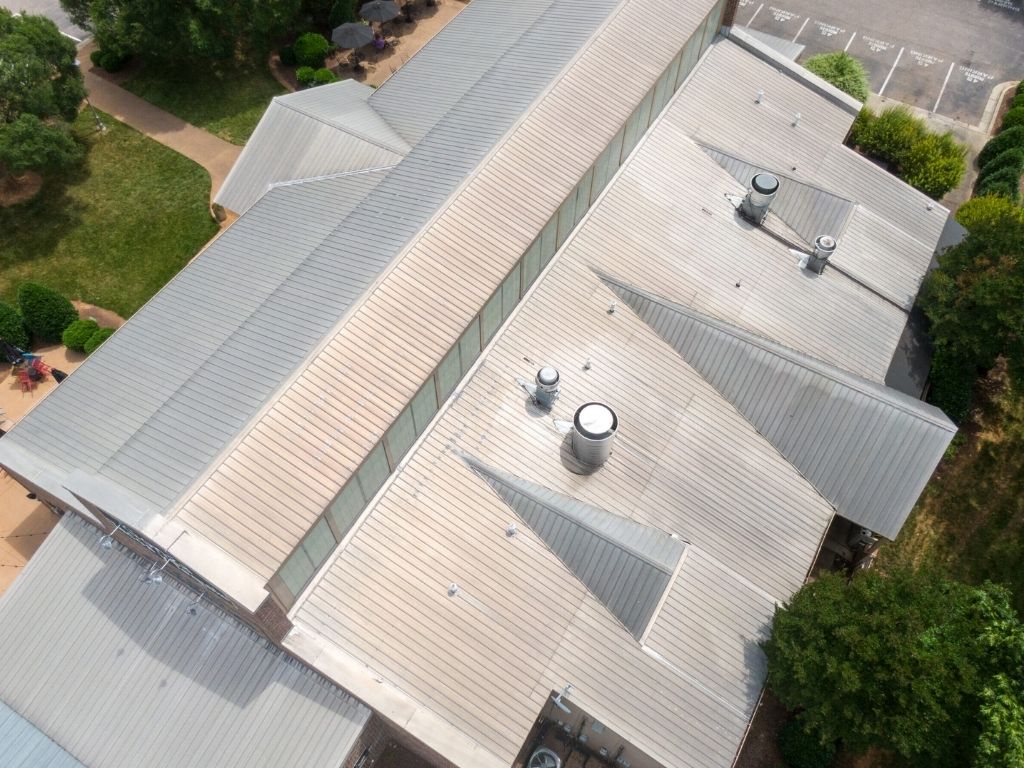
- Neglecting Maintenance: You should have your roof inspected twice a year. We look for debris buildup in the gutters (which holds moisture against the metal) and ensure that foot traffic hasn’t damaged the coating.
To maximize your 25-year guarantee, keep your drains clear and remove any branches or debris that could scratch the surface. properly maintained metal roofs can last 70 years, but a little neglect can cut that in half.
Cost Analysis and ROI of Roof Restoration
Let’s talk numbers—without the scary price tags. A full metal roof replacement is a massive capital expenditure. It involves tearing off the old panels, disposing of them, and installing new ones, often disrupting your business operations for weeks.
In contrast, roof restoration through re-covers or coatings can save you 40% to 60% compared to a full replacement. Because it’s considered “maintenance” rather than a “capital improvement,” you can often realize significant tax benefits through faster depreciation.
At Integrity Roofing, we believe in transparency. We know that a metal roof offers far less maintenance needs over its lifespan—saving an estimated 60% in total costs compared to other materials. When you add in the energy savings from a “cool roof” finish, the ROI becomes undeniable. For more details on how we handle these projects in Central Florida, check out our commercial roofing services.
From Orlando to Jacksonville to Boca Raton, this guide to metal roof restoration is built to help you protect your facility, extend roof life, and avoid expensive disruptions. If you are ready to restore, coat, or maintain your industrial metal roof, take the next step now and explore commercial roofing services to find the right solution for your building.


Get Started With Your Roofing Project Today!

Ready to experience the difference that integrity makes? Contact us today for a free, no-obligation estimate. Let’s build a secure future for your home, together.