

Florida Hurricane Season Has Started — Here’s How to Know If Your Roof Is Truly Ready
- 1 What Actually Happens to a Roof During a Florida Hurricane?
- 2 What Roofing Materials Hold Up Best During Florida Hurricanes?
- 3 Does a Metal Roof Protect Better Than Shingles in a Hurricane?
- 4 How Much Wind Can a Shingle Roof Handle in Florida?
- 5 What Are the Florida Building Code Requirements for Hurricane-Resistant Roofing?
- 6 Should You Replace Your Roof Before Hurricane Season If It’s 15+ Years Old?
- 7 What Roof Features Help Reduce Hurricane Damage?
- 8 Get a Free Roof Inspection Before the Season Peaks
- 9 Recent Articles

At Integrity Roofing, we’ve been watching Florida homeowners navigate the same anxious ritual every year: storm season arrives, the forecast gets loud, and suddenly everyone’s wondering whether their roof is actually up to the job. It’s a fair question. And the honest answer is that most people don’t find out until it’s too late. Your roof is the first and most critical barrier between your home and whatever a Florida hurricane decides to bring. Whether you’re staring down a 15-year-old shingle roof or a metal system installed last decade, now is the time to take an honest look at what’s up there. This guide walks you through exactly what to assess, which materials perform best, and how to make a confident, informed decision before the next storm system is named.
What Actually Happens to a Roof During a Florida Hurricane?
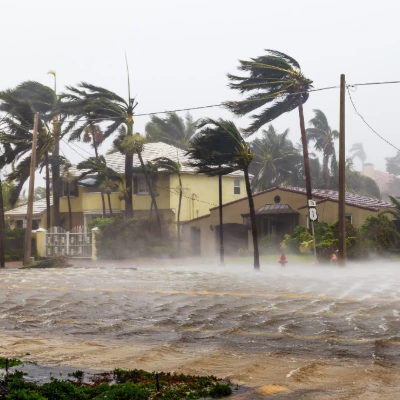
Understanding what your roof faces during a major storm makes the preparation conversation a lot more concrete. Florida hurricanes don’t just bring rain. They bring sustained wind speeds, rapid pressure changes, and wind-driven debris that assault your roof from multiple angles simultaneously. The most common failure points are the edges and corners, where uplift forces are strongest. When wind gets underneath a compromised shingle or a poorly sealed flashing seam, it doesn’t stop there. That initial breach can quickly peel back a section of the roof, turning a manageable storm into a catastrophic water intrusion inside your home.
The pressure differential between the exterior and interior of your home also plays a role. As wind wraps around a structure, it creates negative pressure that literally tries to pull the roof up and away from the framing. Roofs that aren’t properly fastened, that have aging or cracked underlayment, or that were installed without current Florida Building Code wind requirements in mind are the most vulnerable. Knowing this helps explain why inspection and material choices aren’t just precautions. They’re your primary defense.
What Roofing Materials Hold Up Best During Florida Hurricanes?
Not all roofing materials are designed for Florida, and the performance difference during a major storm is significant. Here’s how the most common options stack up.
Asphalt Shingles
Standard three-tab asphalt shingles are still sometimes used in Florida, but they’re the most vulnerable in high-wind events. Impact-resistant shingles rated to withstand winds of 130 MPH or higher are a meaningful upgrade. CertainTeed’s Landmark shingles include a 15-year, 110 mph wind-resistance warranty. When installed with CertainTeed starter and hip-and-ridge products, the warranty can be upgraded to 160 mph. These shingles also carry an ASTM D3161 Class F rating—the highest wind-resistance rating available for asphalt shingles—as well as an ASTM D7158 Class H wind-resistance rating. If your roof was installed before major Florida code updates, it may not meet today’s wind-resistance standards and should be professionally evaluated.
Metal Roofing
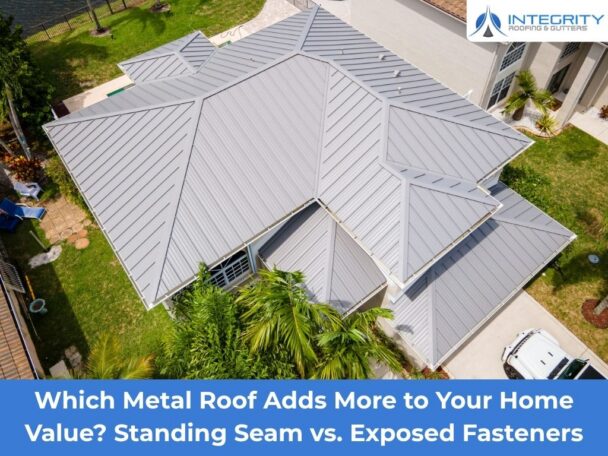
Metal roofing is regarded as one of the strongest performers in hurricane conditions due to its superior wind-uplift resistance, durability, and long service life. Many standing seam metal systems, when properly installed with the right fastener pattern and underlayment, can be rated to handle sustained winds well above 140 MPH. Metal also offers a significant weight advantage. It doesn’t become a debris hazard the way broken tiles can. For homeowners in high-risk coastal counties like Broward, Palm Beach, and Lee, metal roofing is often the material of choice for long-term storm resilience. With proper maintenance, a well-installed metal roof can last 40 to 50 years.
Tile Roofing
Concrete and clay tile roofs are durable under normal conditions, but they come with trade-offs in a hurricane. Individual tiles can dislodge at high wind speeds and become dangerous projectiles. The structural deck beneath a tile roof is your actual line of defense. If that deck is solid and the tiles are properly mechanically fastened rather than simply set in mortar, the tiles can perform reasonably well. However, older tile roofs installed before Florida updated its building codes pose a real risk. If your tile roof is more than 20 years old, a professional inspection before hurricane season is worth scheduling now.
Flat Roofing
Flat roofing systems, used primarily on commercial properties and some modern residential builds, face a different set of wind challenges. The membrane system and edge termination points are the critical areas to inspect. A properly installed TPO or modified bitumen system with reinforced perimeter flashing can perform well, but any existing blistering, ponding water, or edge separation should be addressed before a storm arrives.
Does a Metal Roof Protect Better Than Shingles in a Hurricane?
The short answer is yes, in most scenarios. Metal roofing systems outperform standard asphalt shingles in wind resistance, water intrusion resistance, and long-term durability under storm conditions. The performance gap narrows somewhat when you compare standing seam metal to high-quality impact-resistant architectural shingles, but metal still leads on longevity and wind uplift resistance. The cost differential is real: metal roofing costs more up front. But depending on the roof system and the insurer, homeowners may qualify for wind-mitigation credits or other insurance benefits. And the extended lifespan makes the investment sound. If you’re weighing a roof replacement and you’re in a coastal or high-wind corridor, the metal conversation is worth having before you default to asphalt.
How Much Wind Can a Shingle Roof Handle in Florida?
Wind tolerance for shingle roofing depends heavily on the product specification, installation quality, and the roof’s age. Here’s a general breakdown by category:
Standard 3-tab shingles generally offer lower wind resistance than modern architectural shingles and are not commonly used in new Florida roof installations.
Architectural (dimensional) shingles are generally rated between 90 and 110 MPH, depending on the manufacturer. Most carry a Class D wind rating under ASTM D3161 testing.
Impact-resistant architectural shingles are rated at 130 MPH or higher. CertainTeed’s Landmark line carries an ASTM D3161 Class F wind resistance rating, the highest wind rating available for asphalt shingles, along with ASTM D7158 Class H wind resistance.
The current Florida Building Code requires roofing systems in high-velocity hurricane zones (Miami-Dade and Broward counties) to meet even more stringent product approval requirements under the Florida Product Approval system. If your shingle roof was installed before the Florida Building Code update, it may not meet current wind-resistance standards, regardless of how it looks from the ground.
What Are the Florida Building Code Requirements for Hurricane-Resistant Roofing?
Florida has some of the most demanding roofing code requirements in the country, and for good reason. After Hurricane Andrew devastated South Florida in 1992 and caused catastrophic structural failures, the state overhauled its building codes to address wind resistance at every level of construction.
Key requirements under the current Florida Building Code include:
Roof deck fastening: New construction and replacement roofing must use ring-shank nails at specified spacing patterns to reduce deck-to-rafter separation during high-wind events.
Underlayment standards: Florida building codes often require enhanced secondary water protection systems in high-wind regions, though requirements vary based on roof type, location, and project scope. This is what keeps water out if your shingles or tiles are lost in a storm.
Product approvals: Roofing materials used in Florida must carry a Florida Product Approval or Miami-Dade Notice of Acceptance (NOA), which certifies that the product has been tested to meet state wind standards.
High-velocity hurricane zones: Miami-Dade and Broward counties operate under even stricter HVHZ requirements. Products approved for general use in Florida are not automatically approved for these counties.
If your roof was installed by a contractor who wasn’t following current code, or was installed before these standards were in place, your roof may look fine while carrying real structural vulnerabilities that only a trained inspection will catch.
Should You Replace Your Roof Before Hurricane Season If It’s 15+ Years Old?
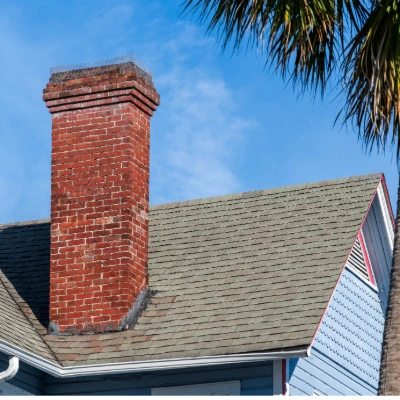
Age alone doesn’t cause a roof to fail, but it’s a significant risk factor in Florida’s climate. Ultraviolet exposure, heat cycling, and the cumulative stress of prior storm seasons accelerate the degradation of shingles, underlayment, flashing, and fasteners in ways that aren’t always visible from the ground.
A 15-year-old asphalt shingle roof in Florida has likely already absorbed the equivalent of several decades of wear in a milder climate. If that roof has never had a professional inspection, or if the last inspection noted issues that weren’t addressed, hurricane season is exactly the wrong time to roll the dice.
There are a few specific indicators that push the replacement conversation from “worth considering” to “act now”:
Granule loss on shingles signals that the UV-protective layer is compromised. You’ll notice it as dark patches on the roof surface or a buildup of granules in your gutters.
Visible cracking, curling, or missing shingles indicate that the roof’s integrity is already compromised and that the risk of water intrusion during a storm is high.
Previous storm repairs that weren’t fully resolved create weak points that will likely fail first in the next event.
An insurance renewal notice asking for a roof inspection is a strong signal that your insurer sees age-related risk. Florida insurers have become significantly more aggressive about non-renewal policies on aging roofs.
If your roof is 15 years or older and you haven’t had a professional inspection in the last 12 months, scheduling one before the season peaks is the lowest-risk decision you can make.
What Roof Features Help Reduce Hurricane Damage?
Beyond materials and age, specific design and installation features meaningfully reduce a roof’s vulnerability in a major storm.
Hip Roof Design
A hip roof, where all four sides have a downward slope to the walls, performs better in high winds than a gable roof. The aerodynamic shape reduces wind uplift forces and gives wind less surface area to push against. If your home has a gable end (a flat, triangular section at the top of the wall), bracing that gable is an important retrofit step.
Secondary Water Barrier
A properly installed secondary water barrier under your primary roofing material is your last line of defense if shingles or tiles are damaged or lost. Florida’s building code requires this in many high-wind zones, but older roofs may not have it. If yours doesn’t, it’s a strong argument for roof replacement rather than repair.
Sealed Roof Deck
A sealed roof deck uses a rubberized underlayment that self-seals around fasteners and resists water intrusion even when the surface layer is damaged. This feature is particularly important in category 3 and above events, where partial damage is common.
Proper Flashing Installation
Flashing at roof penetrations, valleys, and transitions is one of the most common failure points during storms. Improperly installed or aging flashing allows water to enter the structure even when the primary roofing material is intact. A professional inspection should evaluate every flashing point on the roof.
Get a Free Roof Inspection Before the Season Peaks
The best thing you can do before a named storm is heading your way is to get a professional set of eyes on your roof now, while you still have time to act. Contact Integrity Roofing today. We offer free inspections across all 15 counties we serve, including Orange, Seminole, Palm Beach, and Broward. Our HAAG-certified inspectors and CertainTeed Master Shingle-certified team will provide an honest assessment of your roof’s condition, your material options if replacement makes sense, and a clear, itemized estimate of the cost of any work. No pressure, no scare tactics. Just documented findings you can use to make the right call for your home.
Call us or request your free inspection online. Florida’s storm season doesn’t wait, and neither should your roof.


Get Started With Your Roofing Project Today!

Ready to experience the difference that integrity makes? Contact us today for a free, no-obligation estimate. Let’s build a secure future for your home, together.